

Description
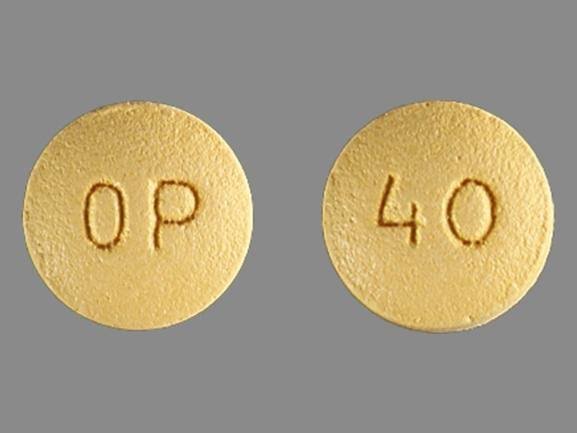
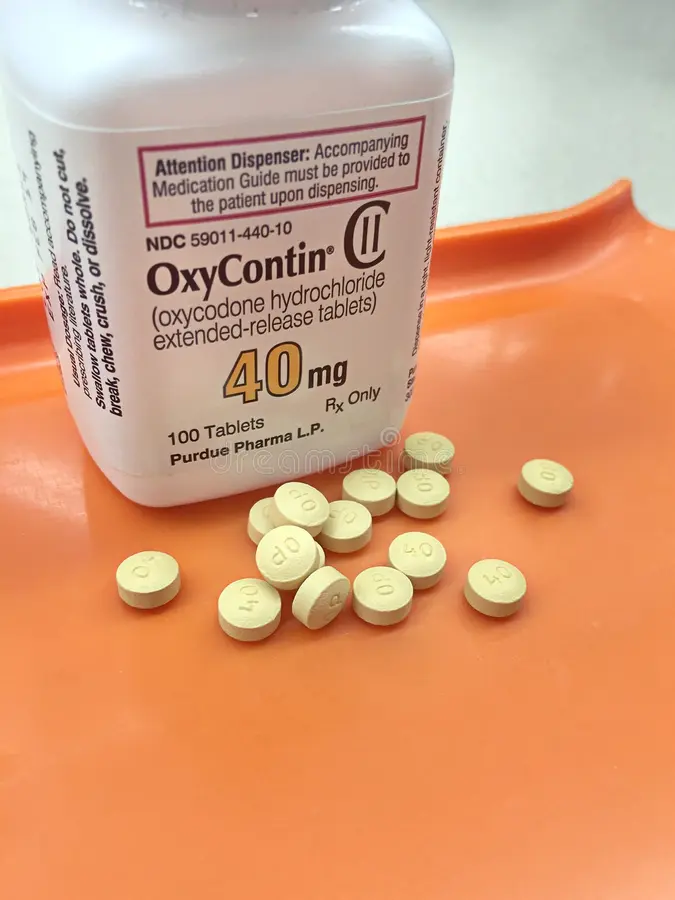
OxyContin is an opiate agonist that is a member of the narcotic analgesic medication class. This FDA-approved medication is intended to relieve persistent, severe pain. The spherical, yellow Oxycontin OP 40 mg comes with an OP 40 imprint.
OxyContin OP medication can be used to treat pain conditions that occasionally arise from a variety of medical conditions, including tissue pain, neuropathic pain, cancer, arthritis, etc.
Certain opiate receptors in the brain and spinal cord are bound by this OP 40 tablet. The medication OxyContin OP alters how the body perceives and feels pain. It is classified as a Schedule II restricted substance.
Cyclobenzaprine, Naproxen, Oxycodone, Gabapentin, Acetaminophen, Tramadol, Tylenol, and Morphine are all related to OxyContin, a more potent medication.
Uses of OxyContin OP 40 mg pill:
This medication has a number of applications, such as:
1. Muscle strains, injuries, burns, wounds, bone fractures, and other pain-related illnesses can all be treated with this medication.
2. Oxycodone hydrochloride (Oxycodone HCL) is an active chemical ingredient found in OxyContin OP medication. This active component may lessen the impact of discomfort. Thus, one can focus on their recuperation.
Other Dosage Strength and Forms:
The dose strength of this medication may only be administered by doctors for the patient’s current condition; it is not permitted to be used for future ailments.
Oral ER tablets and pills are the available forms of this OP 40 medication. The following are some additional typical OxyContin OP medication formulations:
- 10 mg of OxyContin OP
- 15 mg of OxyContin OP
- 20 mg of OxyContin OP
- 30 mg of OxyContin OP
- 60 mg of OxyContin OP
- 80 mg of OxyContin OP
Side effects of OP 40 Medicine:
Some adverse symptoms may go away with the medication’s effects, so they don’t need medical attention. People who use OxyContin OP 40 mg may have any of the following negative effects. These are listed below:
Common Side Effects
- Stomach pain
- Dry mouth
- Sweating
- Diminish the feelings of pain
- Vomiting
- Dizziness
- Lightheadedness
- Weakness
- Itching
- Headache
- Constipation
- Sleepiness
- Drowsiness
Severe Side Effects
- Seizure
- Nausea
- Noisy breathing
- Shallow breathing
- Sleep apnea
- Loss of appetite
- Severe Dizziness
- Lightheadedness
- Confusion
- Unusual thoughts
- Weak pulse or slow heart rate
- Worsening weakness or tiredness
- Low blood pressure (Hypotension)
- Shock
Precautions:
- After taking OxyContin OP 40 mg, people should see a doctor if they have any skin or allergic reactions.
- People with serious health issues, such as liver disease or asthma, should not take OxyContin OP without first talking to a doctor.
- Because this ER tablet may have a number of negative consequences on the unborn child, a doctor may not recommend using it during pregnancy.
- Without a prescription, avoid taking the ER tablet with other drugs that could interact with it.
- When taking OxyContin OP medication, avoid strenuous activities as they may result in a variety of withdrawal symptoms.
- Never dissolve, crush, chew, or break this medication; instead, swallow the entire tablet.

Kairo Avalos –
They act in a very courteous manner and offer the greatest customer service desk. I’m grateful! for assisting me. I received a significant discount when I paid using bitcoin. I’m grateful! I enjoy it, and I’ve discovered that it works wonders for bodily aches.
Tate Booker –
I was pleased with the service I received from Rx Sales Pharma. The domestic delivery was handled quickly, and the support team was available when I had questions. Overall, a convenient experience.
Wade Lim –
Thank you; I adore this product! for the prompt delivery. You offer a quick payment option, and your goods is nice. Your support staff was really helpful to me. Your goods are well-made. I enjoyed it.
Ismael Moyer –
Rx Sales Pharma provided a straightforward experience for me. I appreciated the product quality and the quick delivery. Having customer support available to answer questions was another definite plus. 😊
Warren Huber –
Oxycontin OP 40mg is working well for my pain. Excellent conduct within your workplace. Well done! He gives appropriate instructions on how to use this medication.
Jayceon Richmond –
I liked how simple the overall process was with Rx Sales Pharma. The product quality met my expectations, delivery was fast, and I could get assistance when I had questions about the order.