
Description
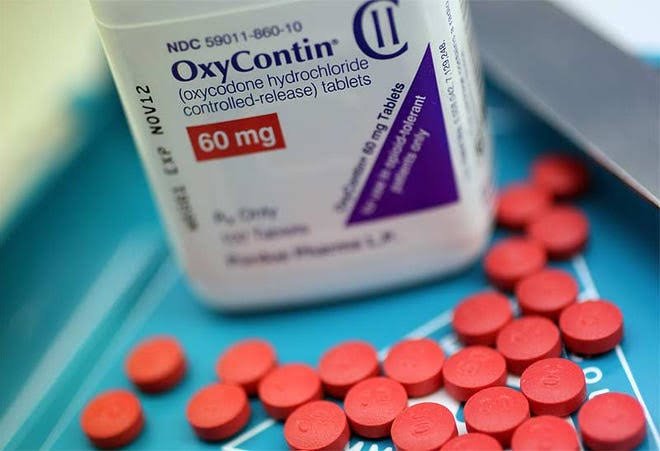
The branded medication OxyContin OP 60 mg is a generic version of the opiate agonist Oxycodone. It has a high potential for drug abuse and misuse because it is classified as a Schedule II Controlled Substance substance. The Food and Drug Administration (FDA) has approved OxyContin OP 60 mg.
Patients with persistent pain issues ranging from mild to severe are treated with this medication. This medication can also be used to treat neuropathic pain, cancer, arthritis, and other medical disorders that frequently cause pain.
including other drugs including Gabapentin, Acetaminophen, Tramadol, Cyclobenzaprine, Naproxen, Oxycodone, Tylenol, and Morphine, OxyContin is the most potent narcotic painkiller.
The function of OxyContin OP 60 mg Pill:
The molecules of mu, delta, and kappa opiate receptors in the brain and spine are drawn to OxyContin OP medication. This medication alters how the body perceives and experiences pain by acting on the brain and spinal cord. It is a member of the class of medications known as opioid analgesics.
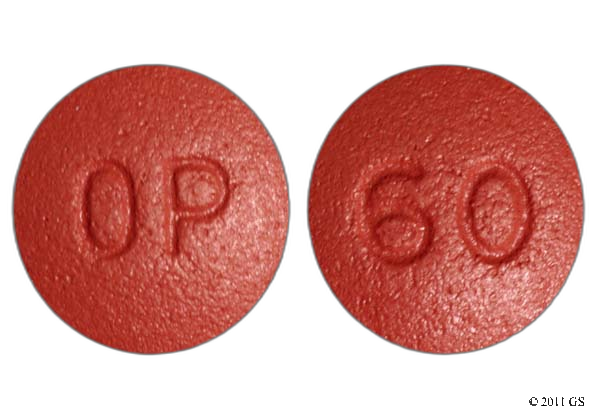
Low blood sodium levels (hyponatraemia) can be brought on by OxyContin Op. Opioids can occasionally cause drowsiness. OxyContin OP 60 mg comes in red, bi-convex pills with the OP medication printed on one side.
Dosage Forms and Strengths of OxyContin:
The dosage of OxyContin medication may be approved by a medical professional only for the current condition and not for future conditions. It is available as pills and oral tablets. The following are some typical OxyContin OP medication dosage formulations:
- OxyContin OP 10 mg
- OxyContin OP 15 mg
- OxyContin OP 20 mg
- OxyContin OP 30 mg
- OxyContin OP 40 mg
- OxyContin OP 60 mg
- OxyContin OP 80 mg
For patients who are not opioid tolerant, the first recommended dosage of this medication is 10 mg taken orally every 12 hours.
Uses:
The following is a list of this medication’s uses:
- Injuries, burns, muscle strains, wounds, bone fractures, and other disorders can all result in severe chronic pain, which is treated with OxyContin OP medication.
- Oxycodone is an active ingredient in the medication OxyContin OP 60 mg. This drug may lessen the effects of pain. Thus, one can focus on healing.
Side Effects OxyContin OP 60 mg:
After using the medication OxyContin OP 60 mg, individuals may experience a number of common and dangerous side effects. Below is a list of these:
Common Side Effects
- Dizziness
- Lightheadedness
- Weakness
- Itching
- Headache
- Constipation
- Nausea
- Stomach pain
- Dry mouth
- Sweating
- Diminish the feelings of pain
- Vomiting
- Sleepiness
- Drowsiness
Severe Side Effects
- Vomiting
- Loss of appetite
- Dizziness
- Lightheadedness
- Confusion
- Unusual thoughts
- Seizure
- Nausea
- Noisy breathing
- Shallow breathing
- Sleep apnea
- Weak pulse or slow heart rate
- Worsening weakness or tiredness
- Hypotension (low blood pressure)
- Shock
- Death
Precautions:
- After taking OxyContin OP 60 mg, people should see a doctor if they have any allergic reactions.
- A doctor must be contacted right away if an OxyContin user is not experiencing any alleviation from their pain.
- Oxycontin OP should not be taken by patients without a prescription if they have severe asthma or lung issues.
- This medication may have negative effects on the fetus, thus a doctor might advise against using it while pregnant.
- This tablet should never be taken with other medications that interact with it without a prescription from a doctor.
- After using OxyContin OP 60 mg, steer clear of strenuous activities like lifting weights, driving, operating machinery, etc., as this medication may cause extreme drowsiness and dizziness.
- Never break, dissolve, crush, or chew this medication; instead, swallow the full tablet at once.

Westley Leal –
For my physical ache, it works better than other medications. I feel at ease when I take it. This medication works incredibly well to relieve pain. I’m at ease. When I consumed it, my outcomes improved. Your efforts are admirable.
Yousef Cherry –
I was pleased with how quickly my order arrived. Four-day delivery was convenient, and Rx Sales Pharma also offered a 15% Bitcoin payment discount, which helped reduce the total cost.
Zechariah Mcpherson –
It is useful for nursing mothers. I’m not sure. However, I found the information in the document that came with the medication. I’m grateful. This medication is safe to use while pregnant. RxSalesPharma.com has excellent customer service and is a very helpful platform.
Terry Spence –
Rx Sales Pharma gave me a good overall experience. The fast delivery stood out, and the 15% Bitcoin discount was a useful incentive. Everything was handled efficiently. ⭐
Vincenzo Andersen –
It is quite helpful to know how to utilize it with Oxycontin OP 60mg medication. Your work is excellent, and the Oxycontin OP 60mg medication is working flawlessly. There are no adverse consequences. They have excellent distribution methods. When I went home, I had my medication ready. I’m grateful!
Vincenzo Andersen –
It is quite helpful to know how to utilize it with Oxycontin OP 60mg medication. Your work is excellent, and the Oxycontin OP 60mg medication is working flawlessly. There are no adverse consequences. They have excellent distribution methods. When I went home, I had my medication ready. I’m grateful!
Brecken S –
The combination of fast delivery and savings caught my attention. My order arrived within four days, and I appreciated getting 15% off by using Bitcoin payment. 😊